Beach House Rental Photography: Gulf Light, Glare and Sunsets
Tips
5 Min Read
How to photograph a Gulf Coast beach house rental: bright windows, white sand glare, west-facing vs bay-facing timing, and twilight shots that sell stays.

More Articles
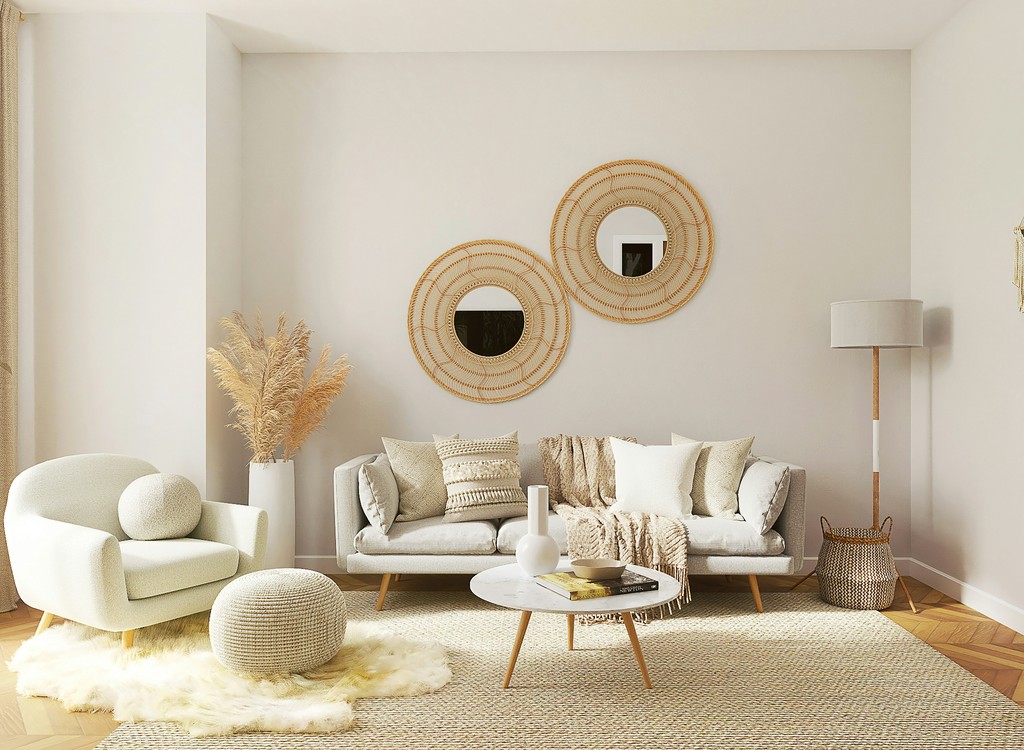
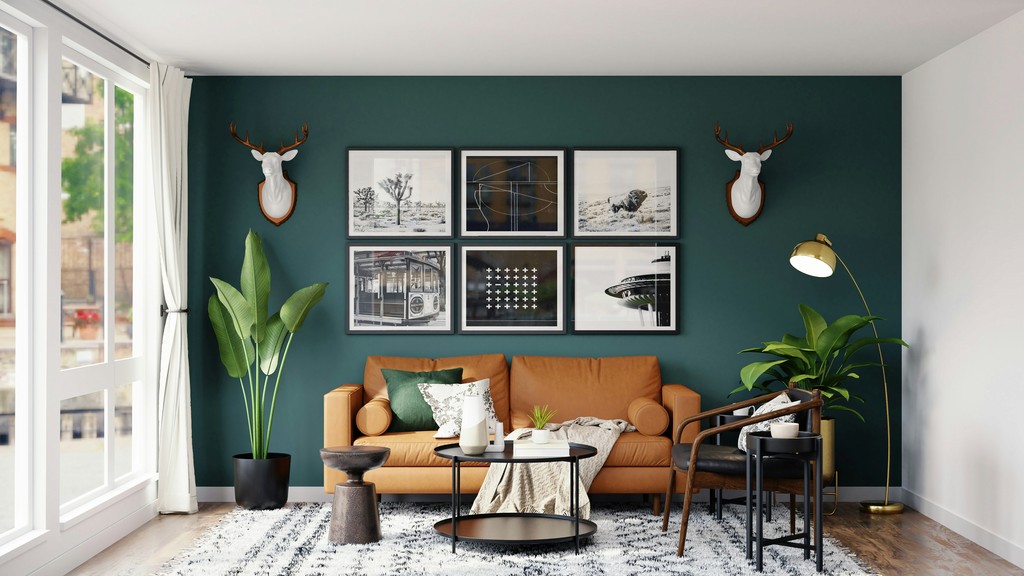


The hardest room to photograph in a Gulf Coast beach house is the one everybody wants to see: the living area with a wall of sliders facing the water. Expose for the room and the view turns white. Expose for the view and the room goes dark. Here is how we handle it, and how you can plan your shoot day around the light.
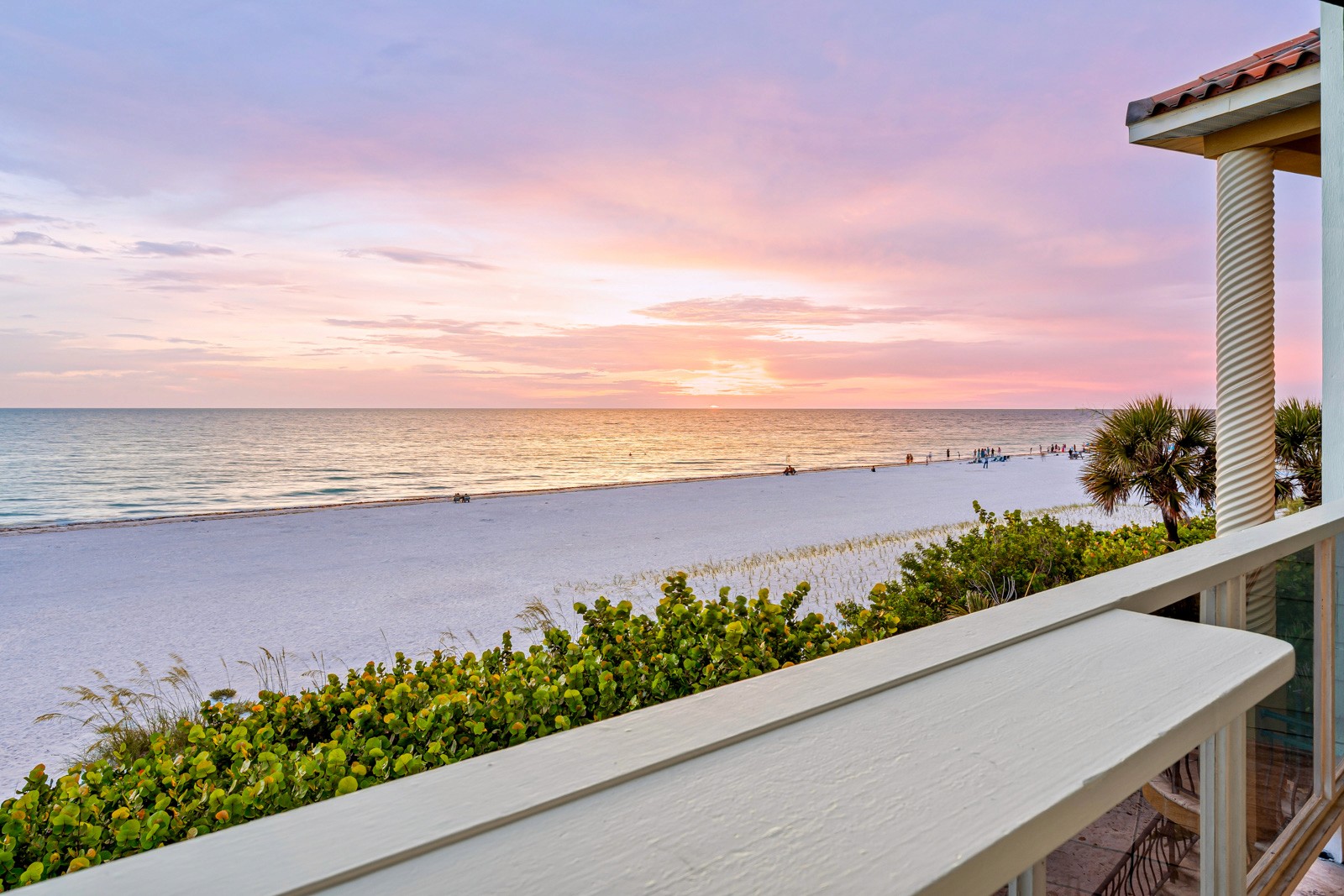
Why the window problem is worse on the Gulf
White sand and open water act like a giant reflector. A room that looks balanced to your eye can have a window several stops brighter than the walls, and a camera cannot hold both in one frame. Photographers solve this by combining several exposures of the same view or by blending a bright window pull with the interior. Done well, you see the room and the water the way a guest standing there would. Done badly, you get gray walls and a glowing halo around every frame.
We shoot the interior to look natural and bring the window view back to a level where you can see the sand, the sea and the sky. The goal is that a guest can read the view as a feature of the room without it looking edited.
West-facing, bay-facing, and everything between
The Gulf of Mexico sits on the west side of the Florida peninsula, so beachfront houses on the Gulf barrier islands face west and their sunsets happen over the water. Houses on the bay or canal side of those islands face east or across the water to the mainland. That changes when we should be there.
Gulf-facing (west-facing) rooms: Morning is often easier for the interiors, because direct sun is behind the building and the windows are not blown out by hard light. The sunset moment is for balcony and beach frames, later in the day.
Bay-facing or east-facing rooms: These get direct sun in the morning, so mid-afternoon is usually kinder for the interiors, while the sun is coming from the other side.
Interior courtyards and pool decks: Soft, open shade or the hour around sunset works better than noon, when shadows under lanai roofs turn black.
Cloud cover helps everyone, and we will not know until the day. If your property has a specific hero view, tell us when you book. We plan the order of rooms around it.
Handling glare and white sand outside
Sand reflects a lot of light up under eaves and into faces of buildings, which flattens exteriors in the middle of the day. A white stucco house on a white beach at noon looks washed out no matter what. We prefer the hours when the sun is lower and the sky has some color. For exteriors, our Blue Sky Guarantee applies to exteriors.
Water in the frame needs care too. Pool surfaces and glass railings reflect the camera, the photographer and the sky. We change the angle by a step or two until the reflection works for the shot rather than against it. Sliding doors get the same treatment: wipe them the day before, and tell your cleaner that fingerprints and salt spray show up in photos.
The twilight frame
For a beach house, the strongest exterior is often at dusk, with the interior lights glowing against a deep blue sky. Pool lights, string lights, fire features and lanai lamps all look their best in that window. We offer real twilight photography (five photos for $200) and virtual twilight at $15 per image. Real twilight is the right call when the property has lighting you want the viewer to see. Our longer breakdown of real versus virtual twilight covers when each is worth it.
Before a twilight shoot, turn on everything: pool, spa, path lights, lamps, under-cabinet lighting and the outdoor fire feature. Open all blinds in rooms that face the camera so the house glows from within.
Drone and the big picture
Aerials explain beach proximity better than any caption. A straight-down or angled view shows the lot, the pool, the walk to the sand and the neighbors. We fly under FAA Part 107 certified pilots and offer 10 drone photos for $125. Check conditions on the day, since wind and weather can move the flight window.
Checklist for light on shoot day
Tell us which direction the main windows face.
Pick the room where the view matters most so we can time it.
Clean sliders and screens the day before.
Have all lights, pool and spa running for the last part of the shoot.
Keep the sand off the decks and furniture: sweep right before we arrive.
Our full prep checklist covers the rest. For rentals near Indian Shores and the beaches up the coast, see our real Indian Shores Airbnb project.
Questions we get about shooting beach house rentals
What time of day is best to photograph a beach house?
It depends on which way the main windows face. West-facing Gulf rooms are often easier in the morning, east or bay-facing rooms in the afternoon, and exteriors and decks look best in the softer light near sunset. We plan the order with you.
How do you photograph rooms with bright windows?
We balance the interior and the view by combining exposures so you can see the room and the water outside. The aim is a natural look, not an obviously edited one.
Is real twilight worth it for a vacation rental?
Real twilight is worth it when your property has pool lights, a fire feature or glowing windows that sell the evening mood. It is $200 for five photos. Virtual twilight is $15 per image.
Can you photograph my sunset view?
We photograph the view from your balcony or deck, and can time part of the shoot near sunset when it fits. The sky depends on the day, so we cannot promise a specific color.
How much does the shoot cost?
Standalone Airbnb and VRBO photography is $250 for 0-1,000 sq ft, $300 for 1,001-2,000, $400 for 2,001-3,000 and $500 for 3,001-4,000. See the pricing page or contact us to book.


Similar Topic